COLOUR – photo series
Details
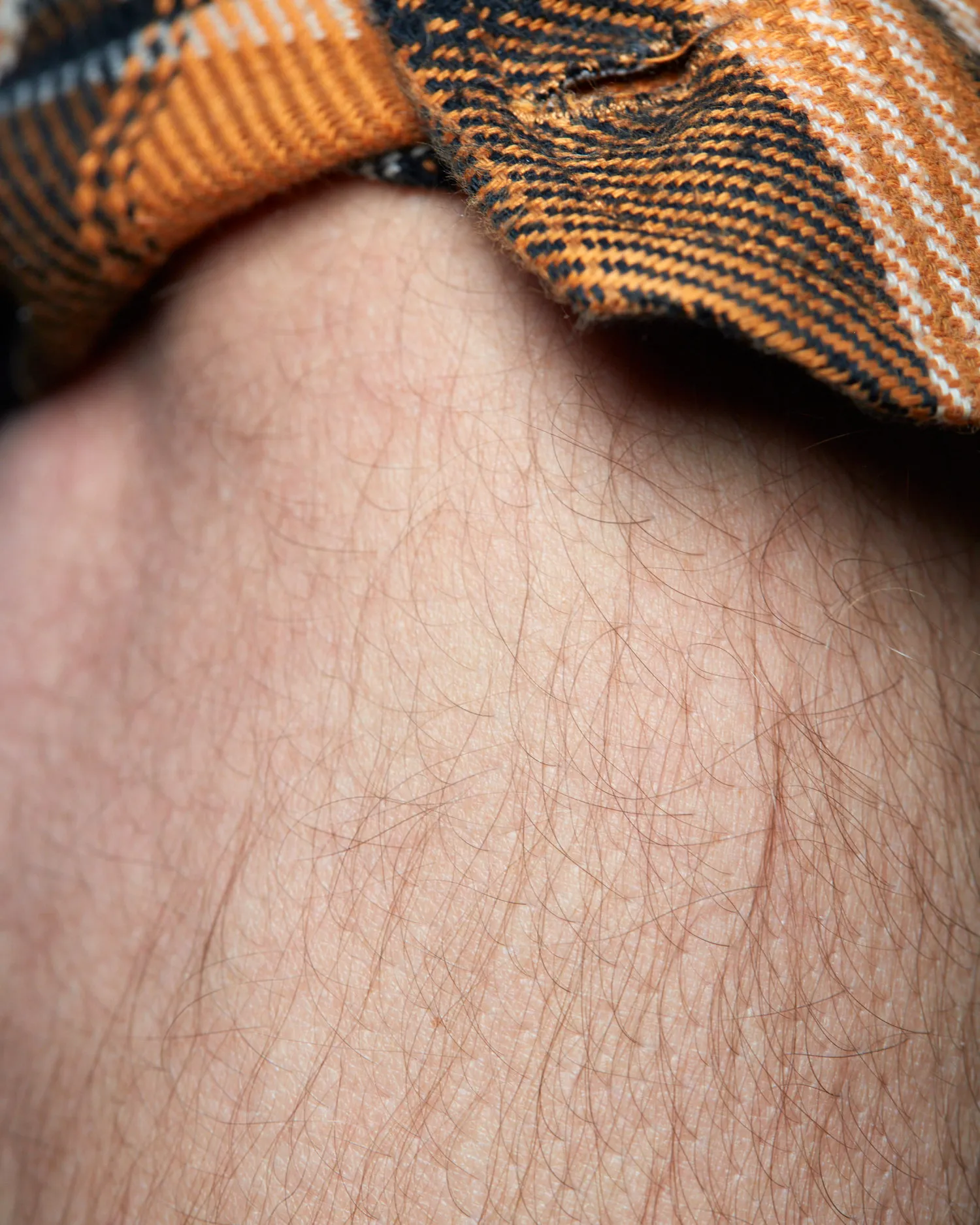
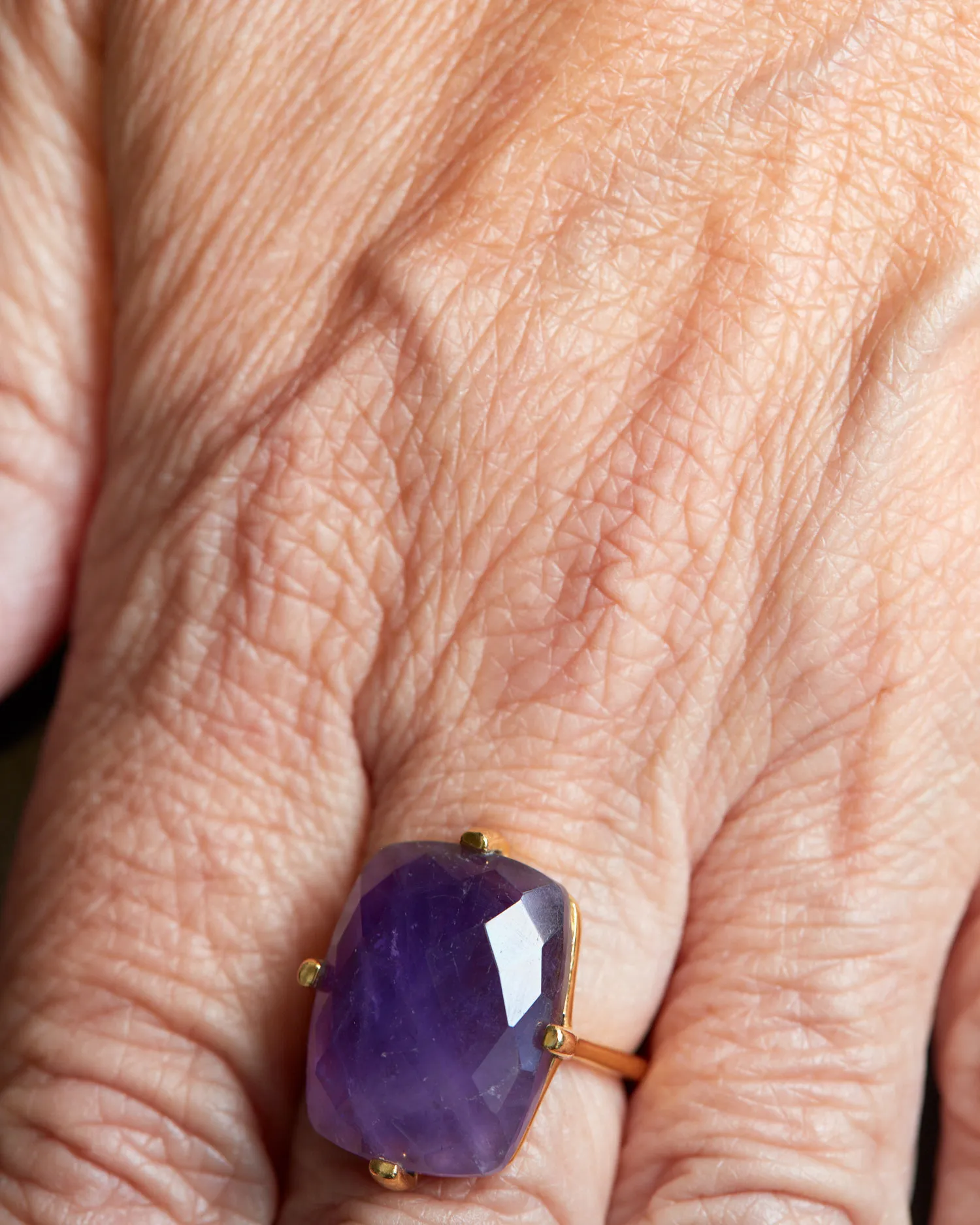
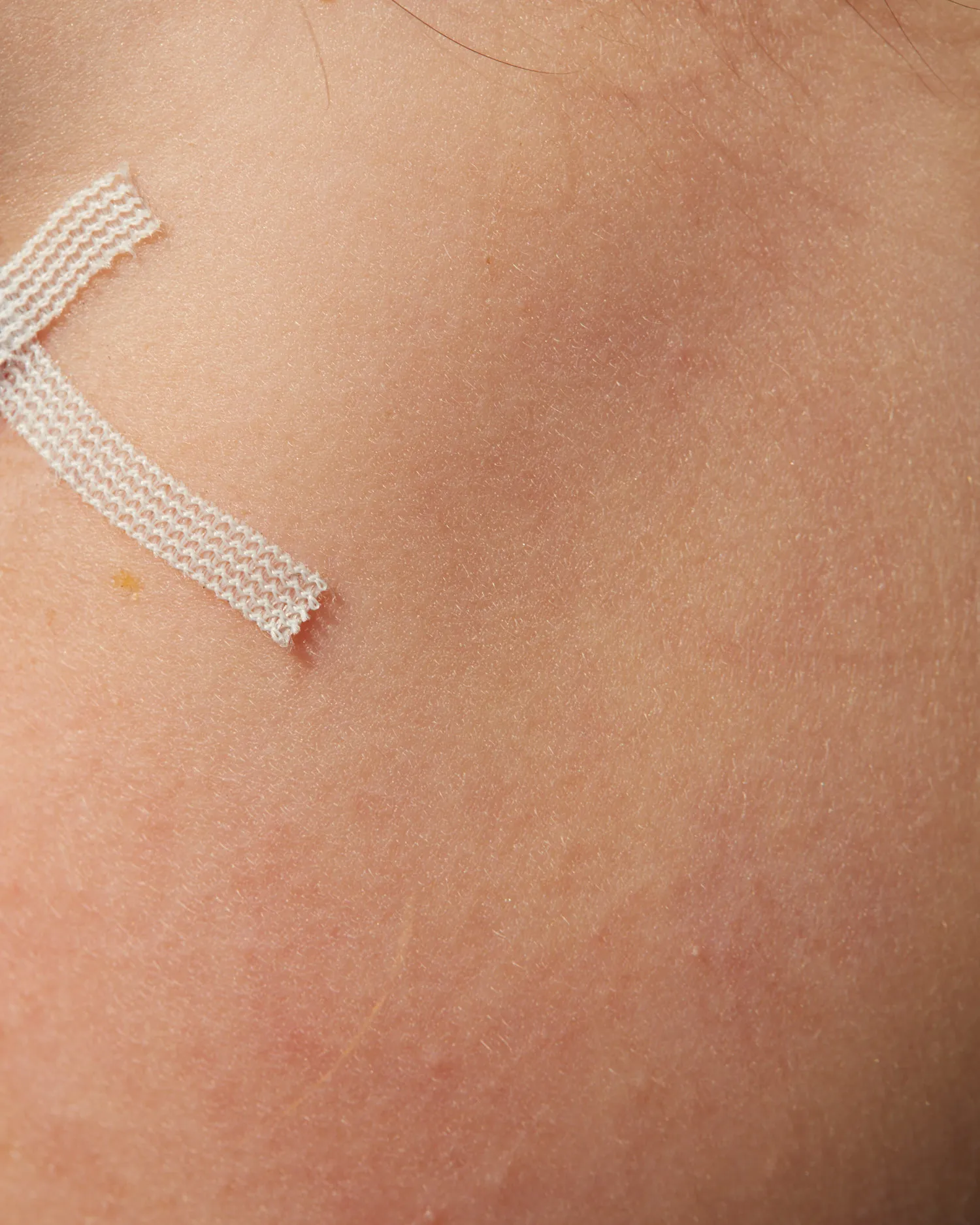
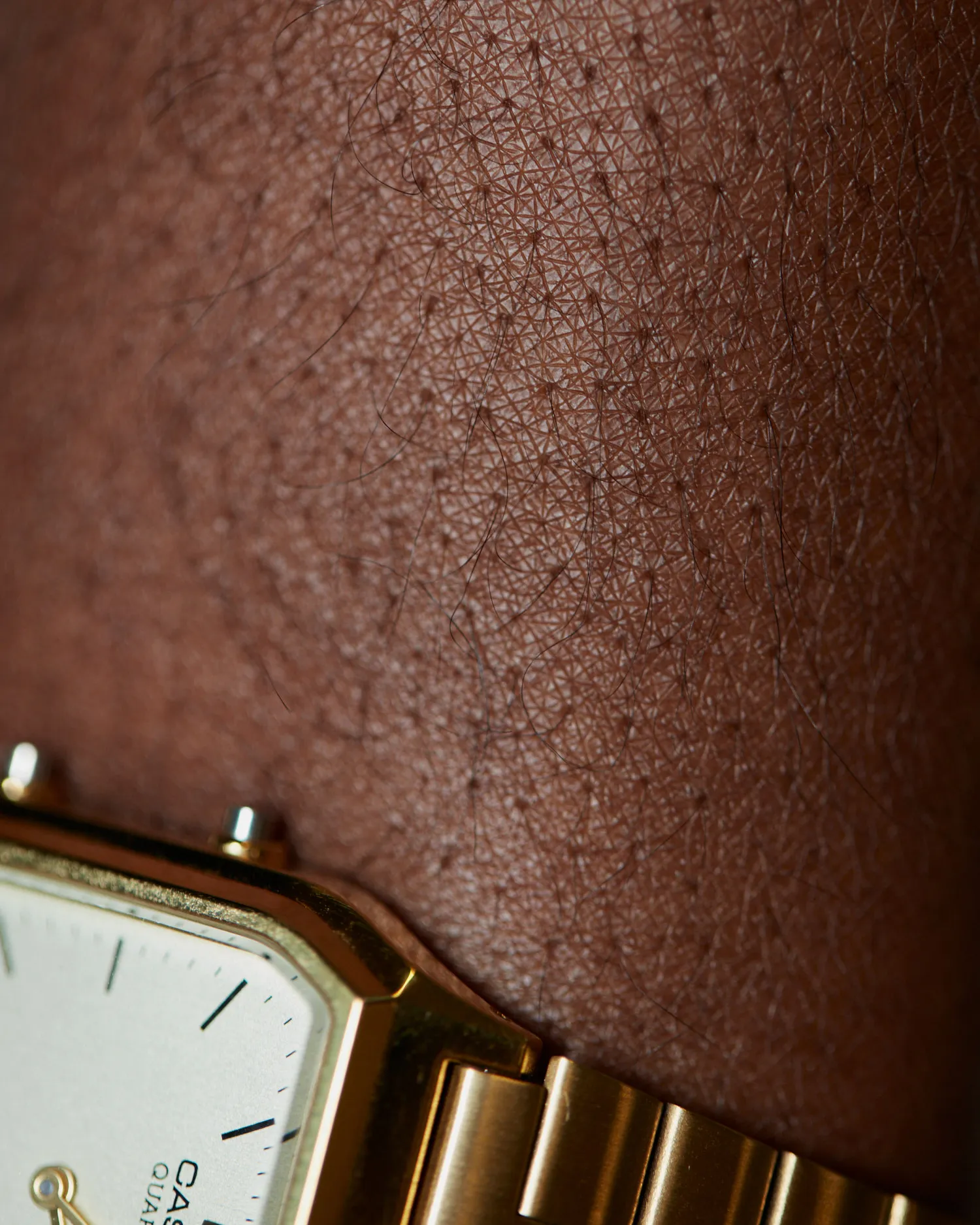
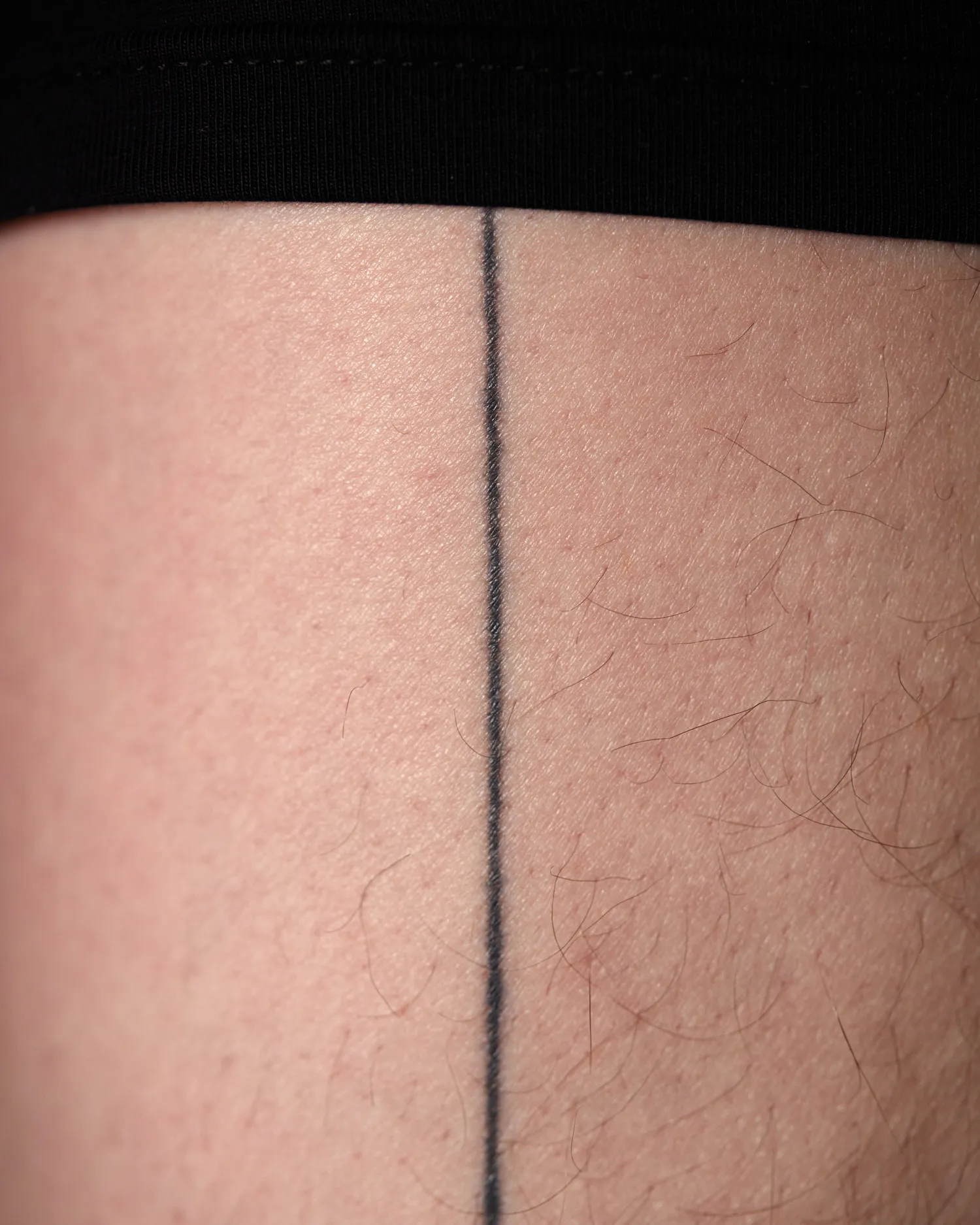
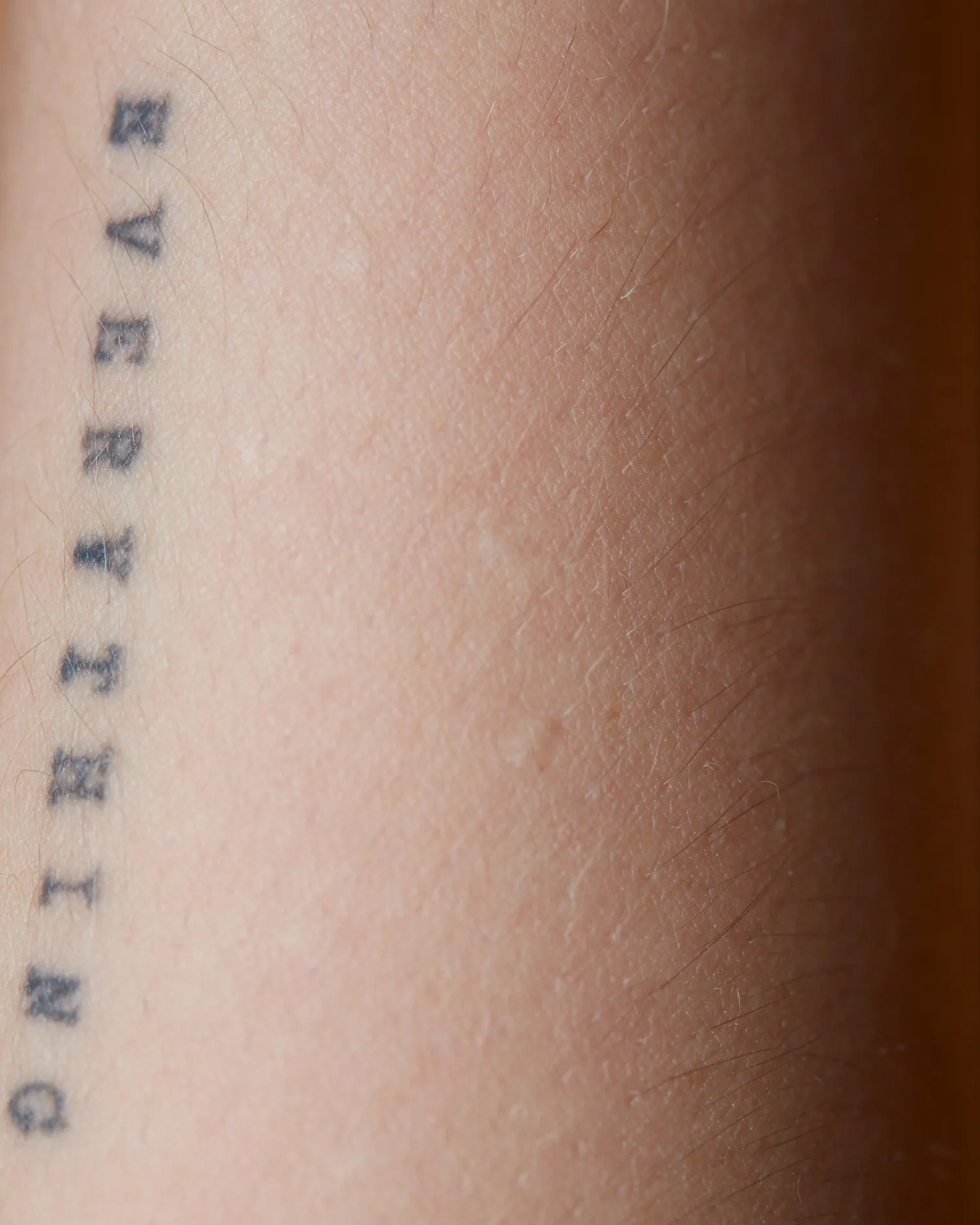
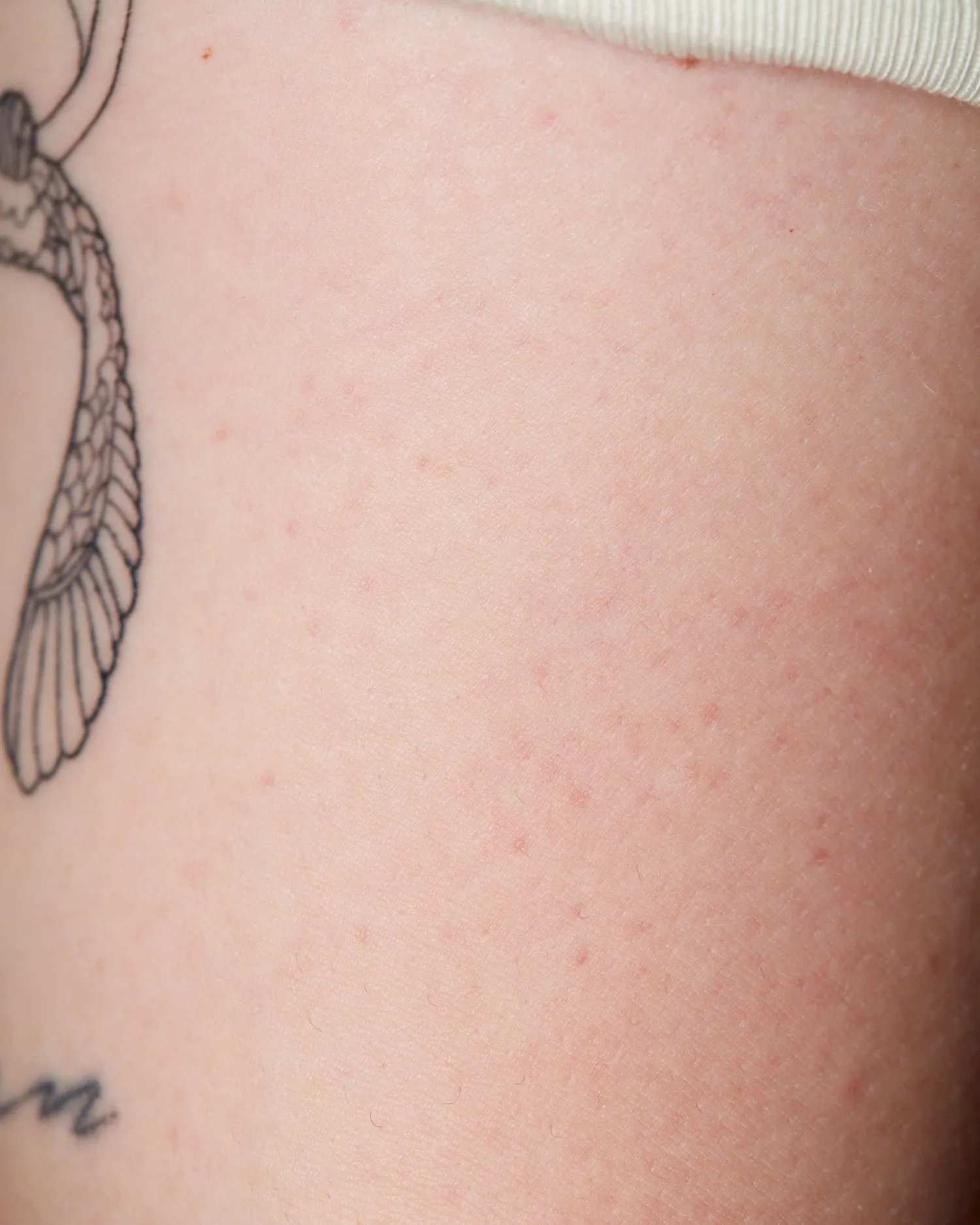
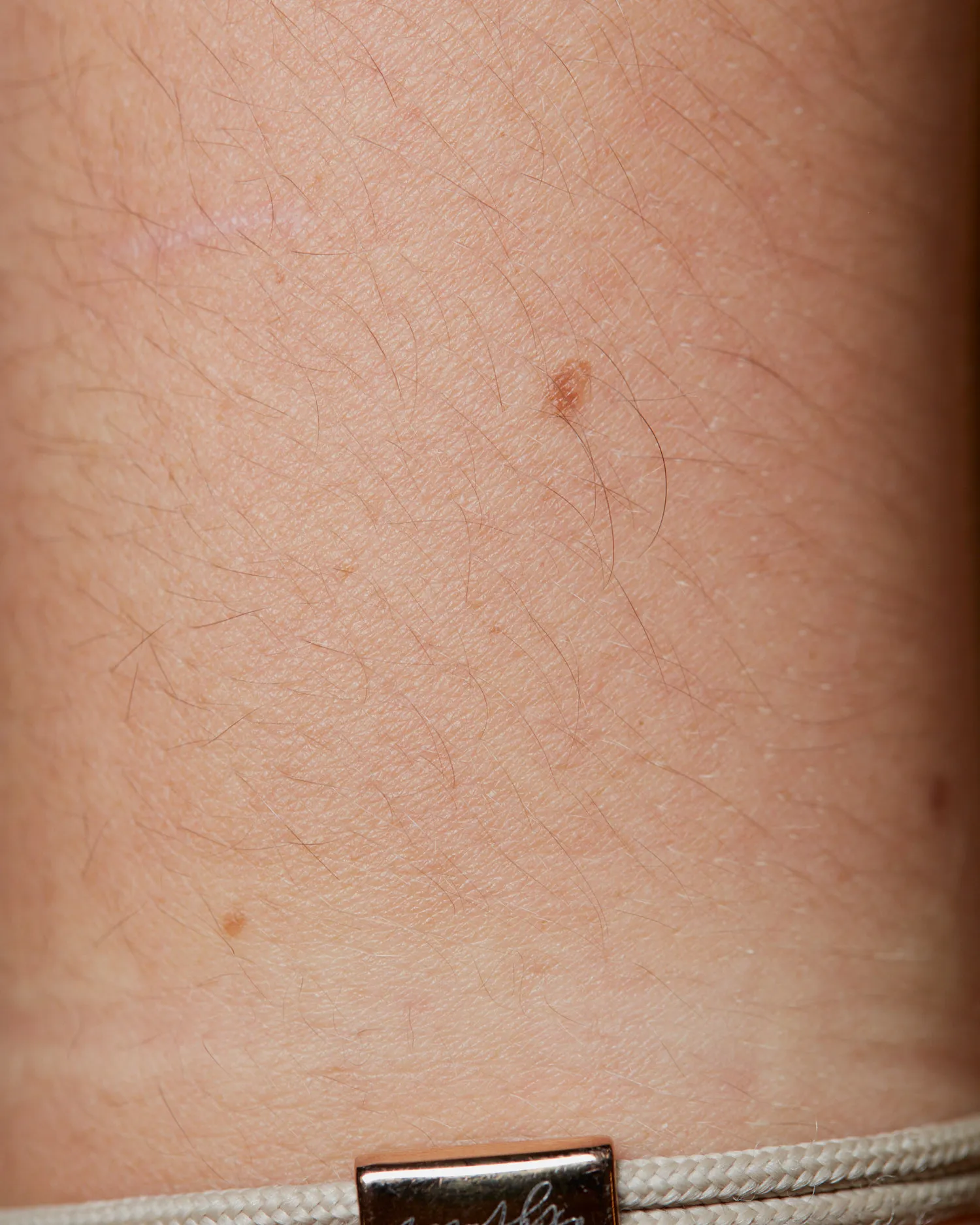
COLOUR is an extensive database featuring close-up photographs of human skin. Clothing, jewellery, scars, and tattoos are prominent elements in these images.
The photographs were taken in a variety of locations, including amateur football clubs, colleges, community centres, and museums. The database represents a diverse range of skin colours, ages, and cultural backgrounds.
Images from the project form the basis of creative sessions about the Bias in AI, which Johan Nieuwenhuize developed in collaboration with the Lectorate of Philosophy and Professional Practice at The Hague University of Applied Sciences.
This project began with a fascination for how people perceive skin colour through photography. In the popular science book The Vision Revolution, Mark Changizi demonstrates how different skin types reflect colours and how all skin types contain almost identical amounts of these colours. Yet, if the measurable differences in skin colour are so small, why does the subject remain so polarising in society?
The Vision Revolution on the website of Mark Changizi: https://www.changizi.com/ (1)


Nieuwenhuize began by taking detailed photographs of people’s skin. Cultural elements soon became just as significant as the skin itself in his images.
At the same time, AI was—and continues to be—developing at a rapid pace, quickly becoming a commonplace technology.
People often take AI for granted as a convenient and objective tool, particularly generative AI, which has become immensely popular with the general public. However, AI contains many exclusionary mechanisms, and its outcomes can be far from inclusive. Which steps in the process are truly human, and can we still influence them to harness AI for the better?
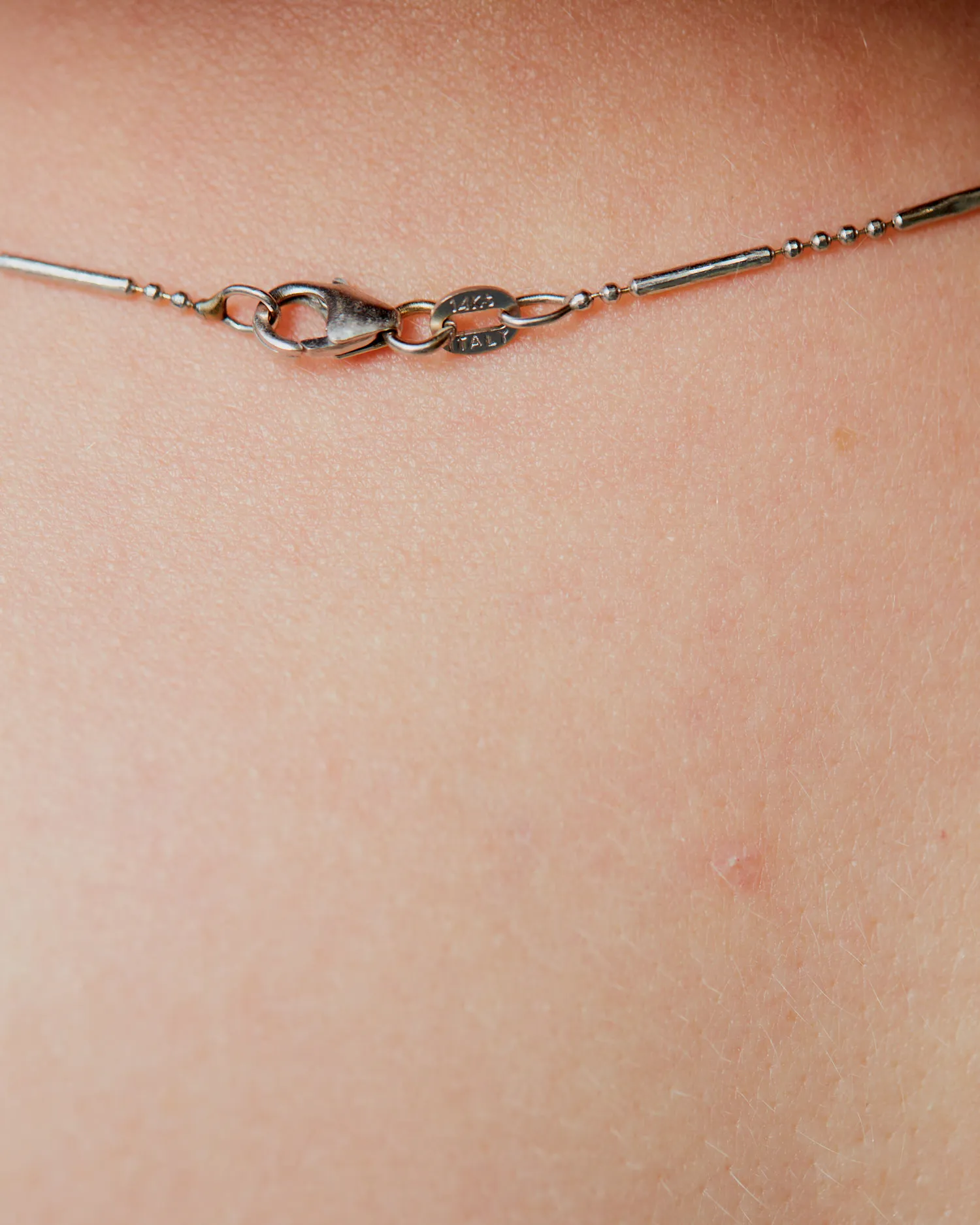

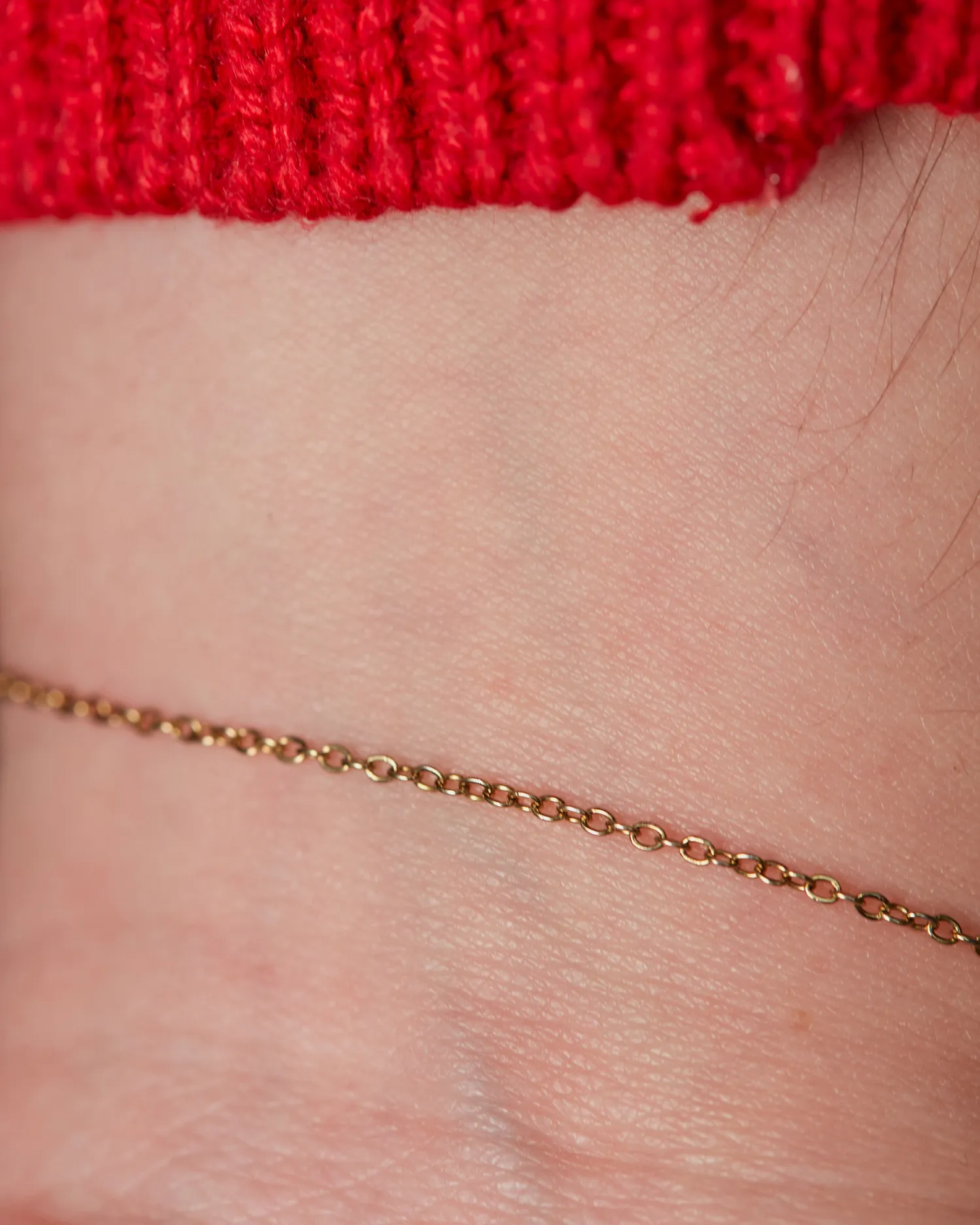
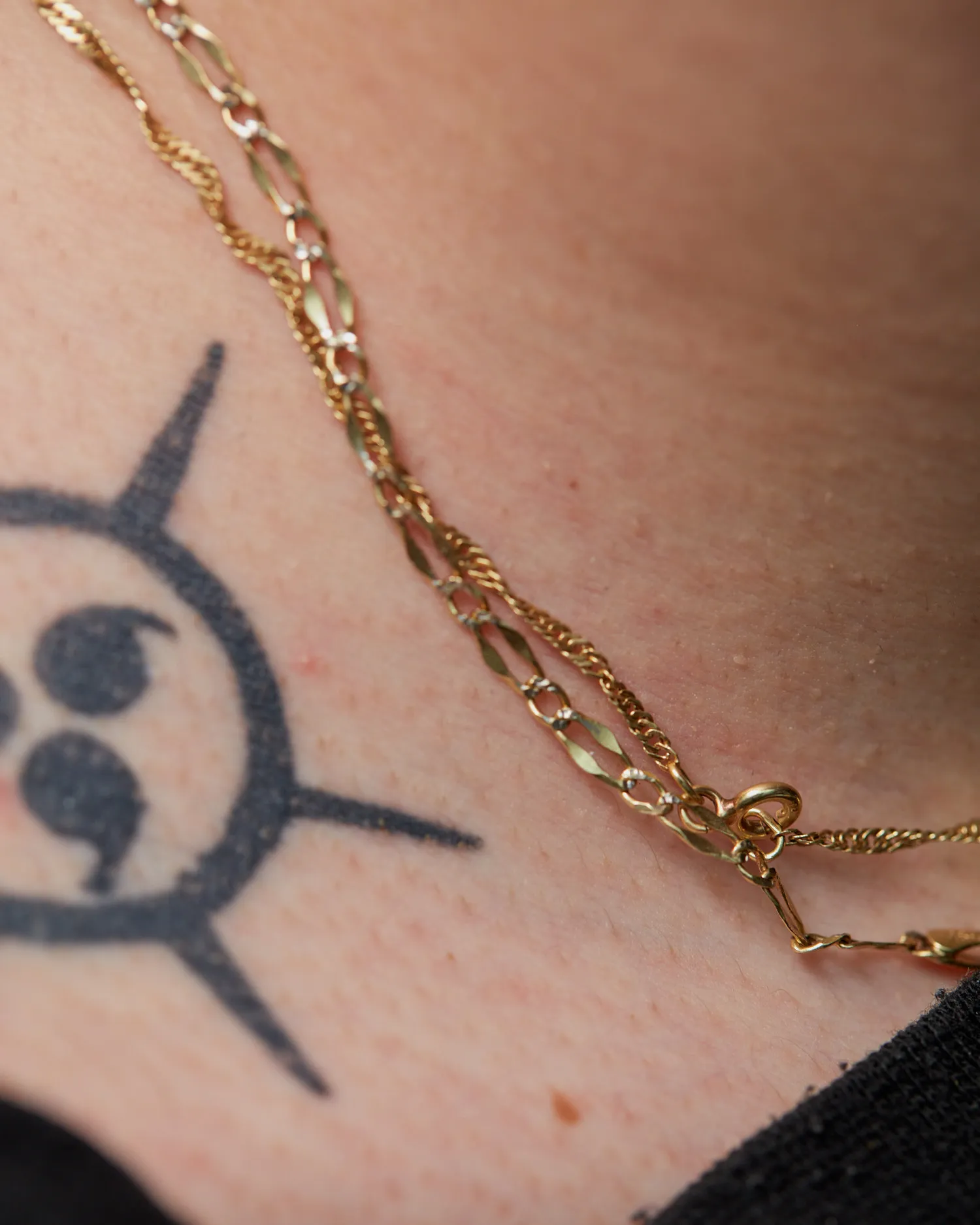

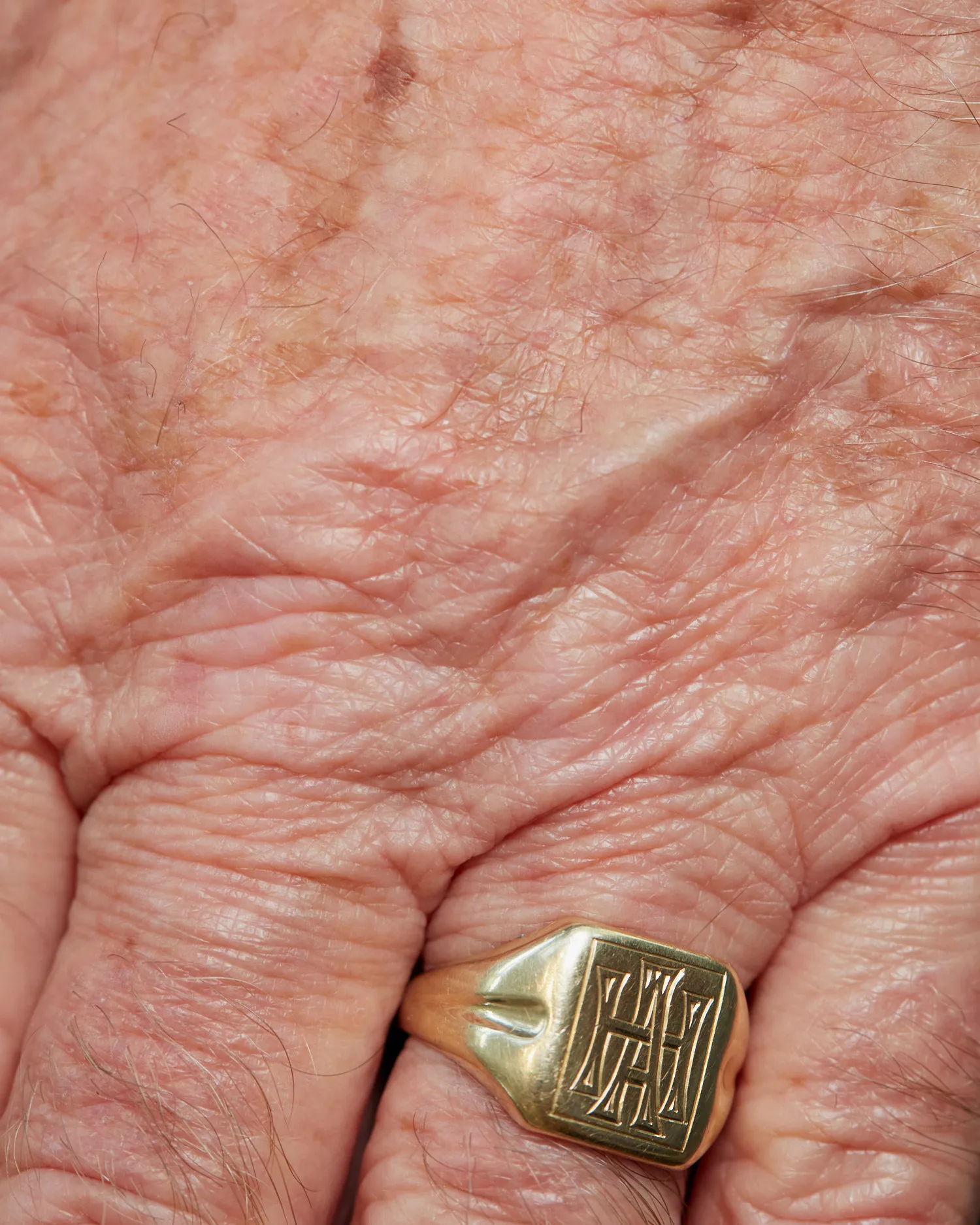


“How do you label an image of a human being without being influenced by your own biases?”


Nieuwenhuize is curious to see how people engage with his work and what emotions or thoughts his photographs evoke. He aims to encourage his audience to project their own memories and ideas onto his images.

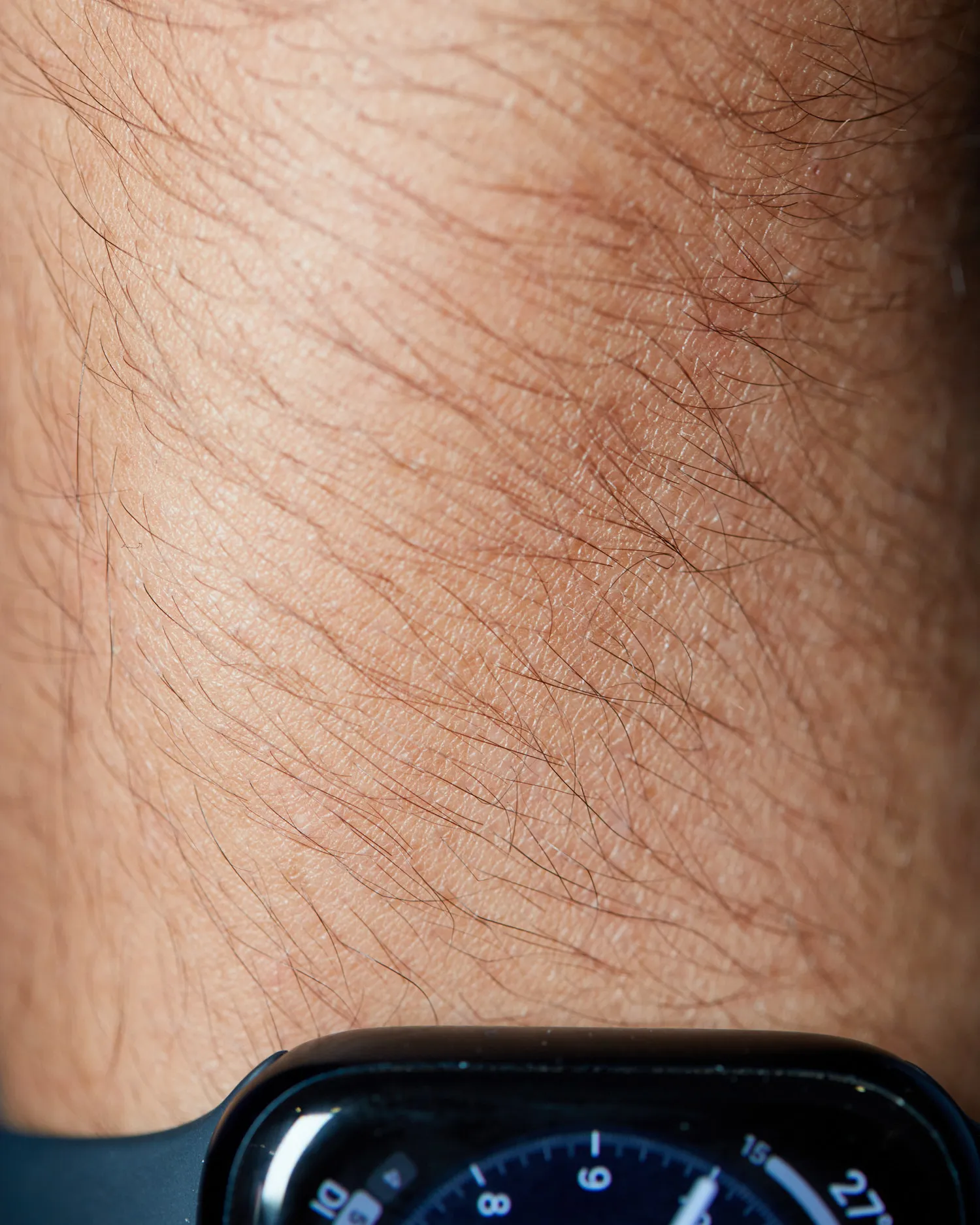
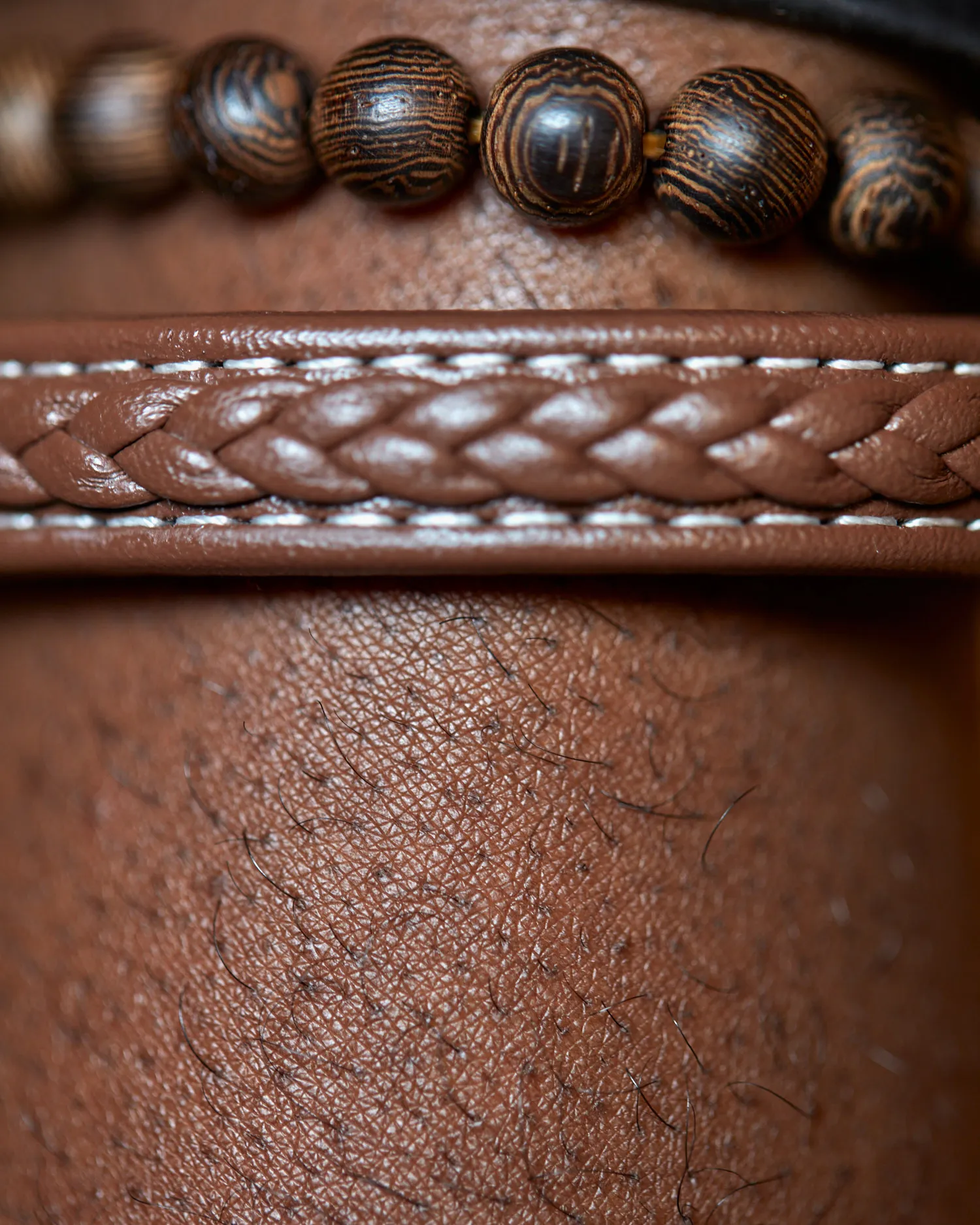
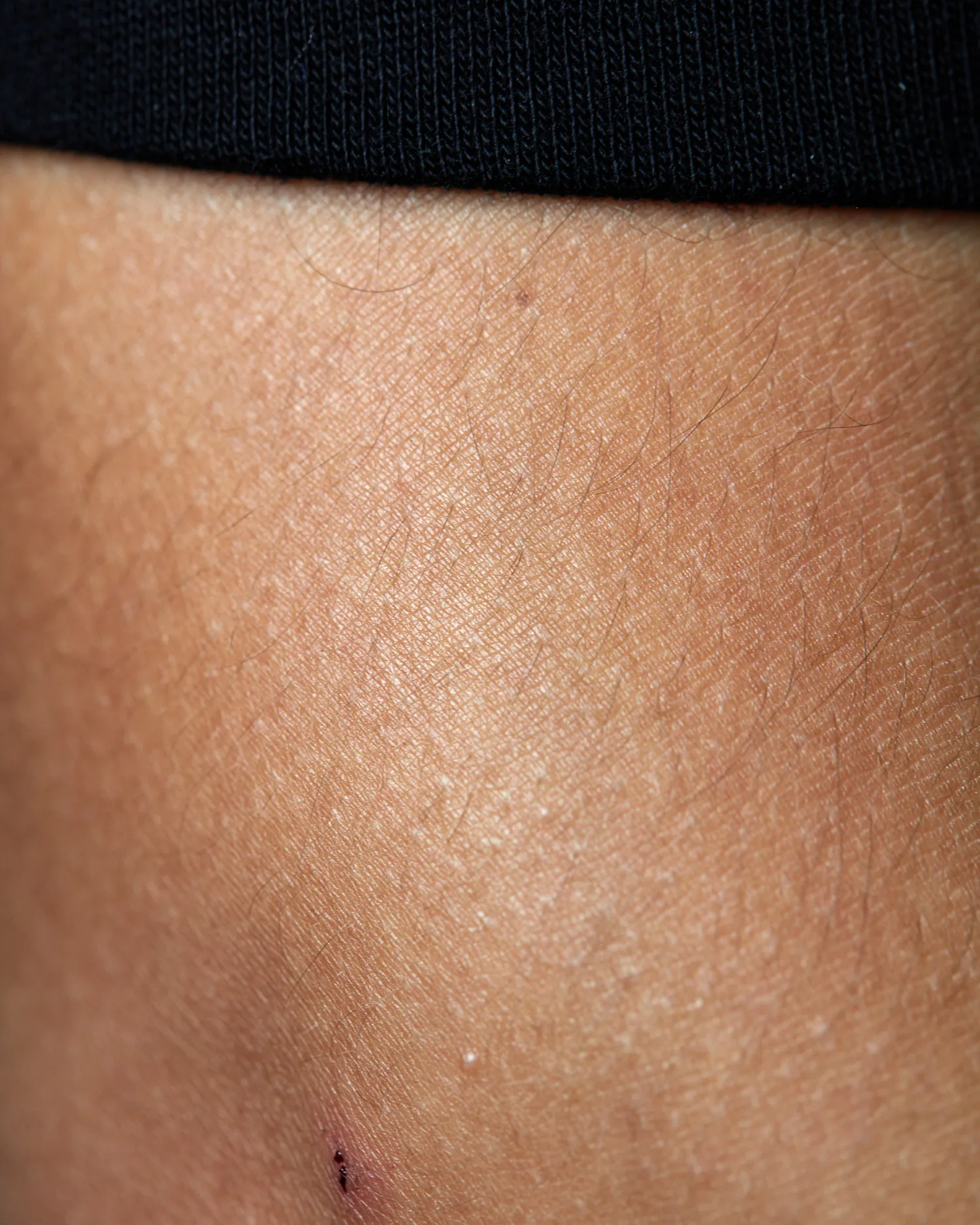
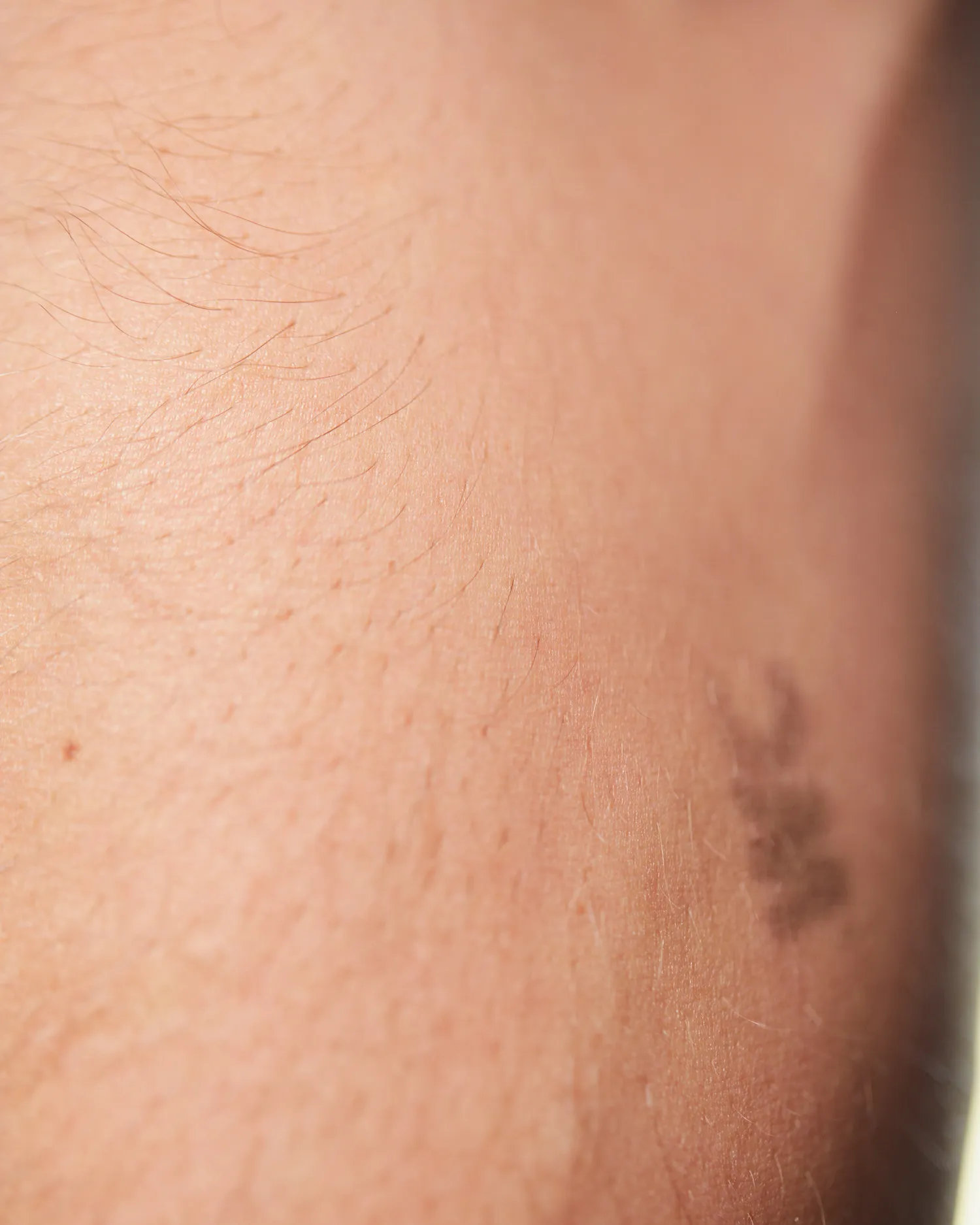

For this series, Nieuwenhuize photographs individuals from all walks of life, including members of an amateur football club, a startup in De Zuidas, and elderly people with migrant backgrounds.
The photographs are taken in extreme close-up, almost at a macro level.
The images are captured during photo sessions held at various locations. Participation is voluntary, and anyone can take part. Participants register for the project in advance and provide their consent. During the sessions, they choose which part of their skin is photographed and are shown the results afterwards. They also receive a digital copy of their photograph.
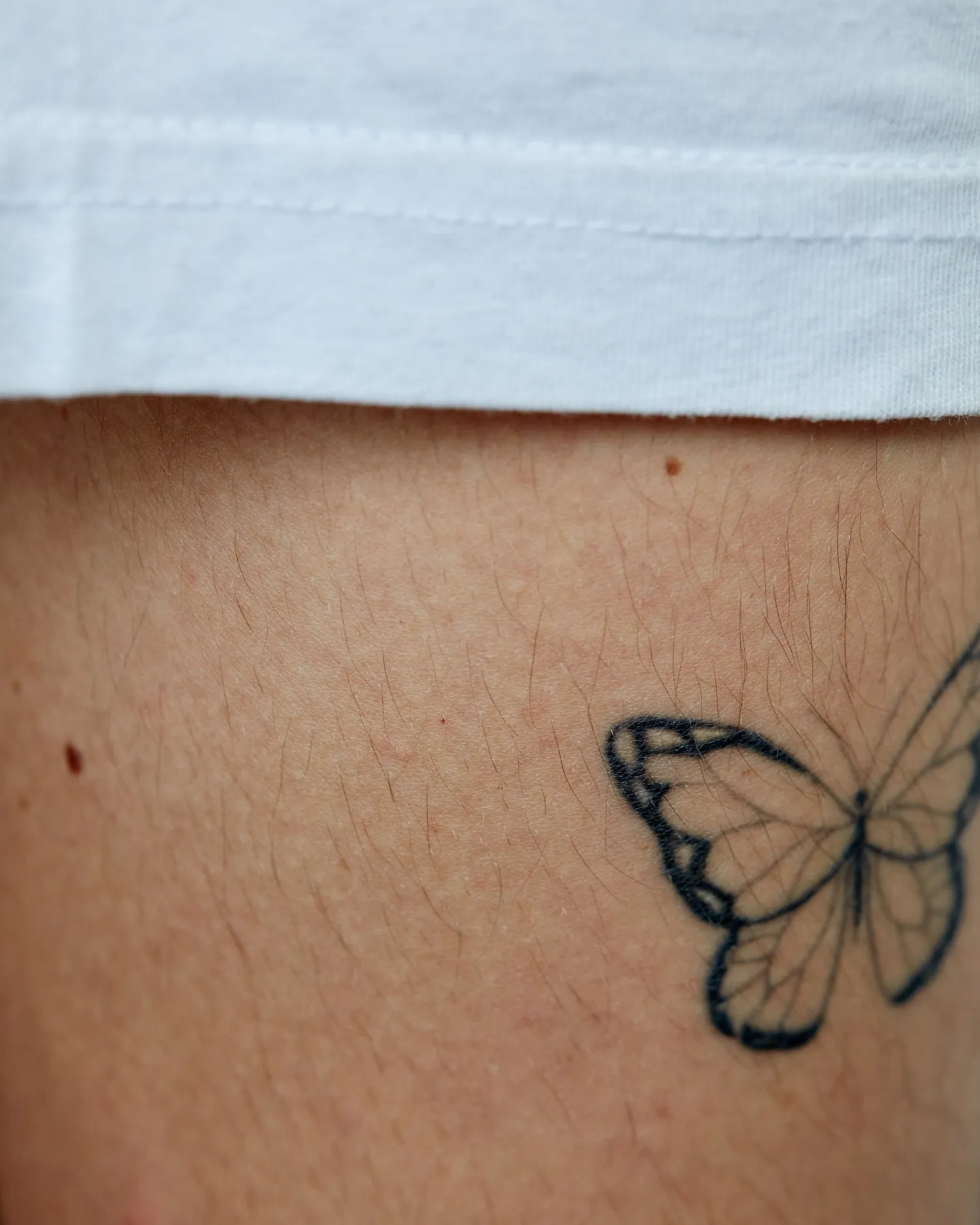
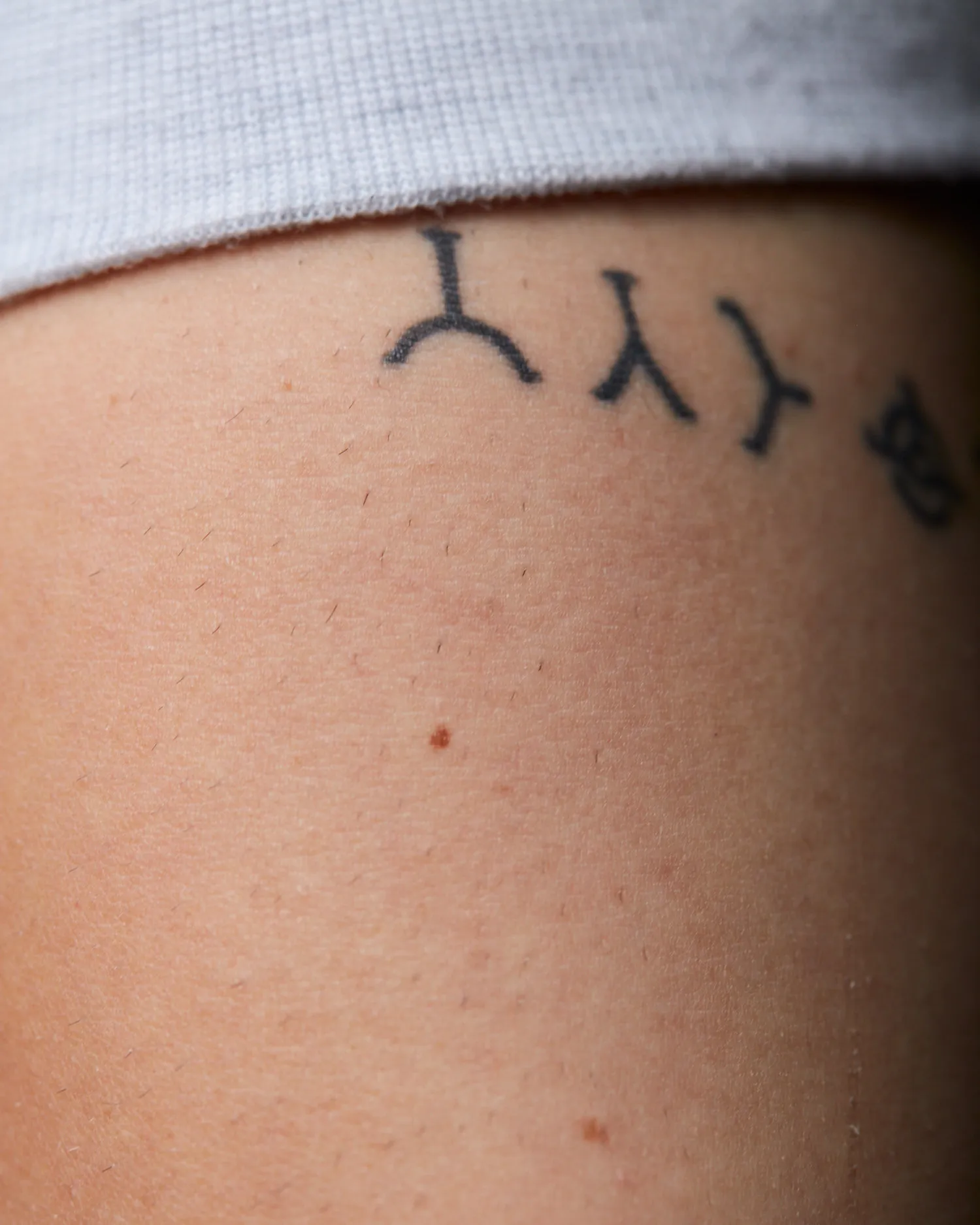
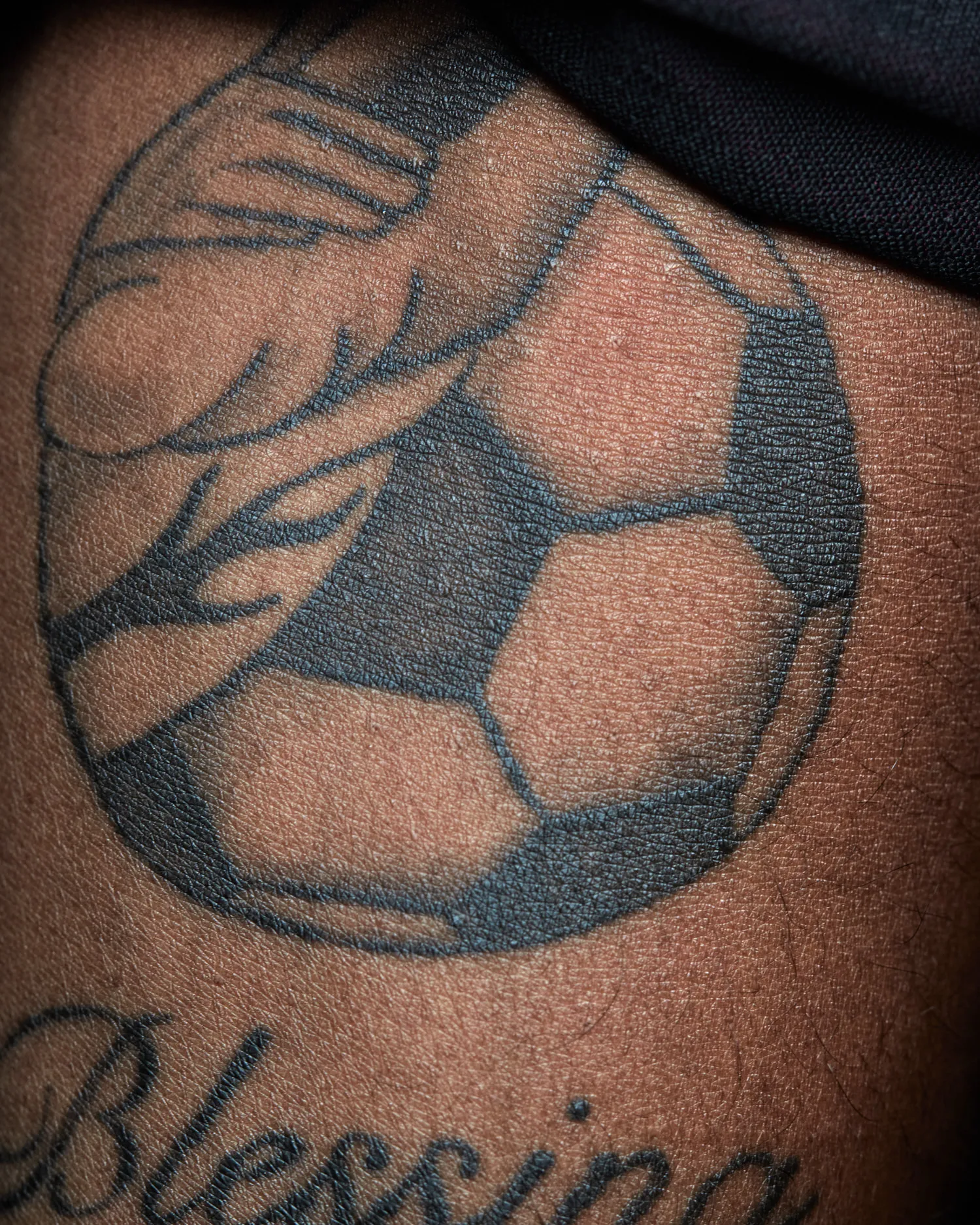

Despite the limited information provided, the images feel deeply intimate. Viewers are compelled to rely on their own interpretations and are confronted with their personal biases.
Because of the diversity represented in the project, everyone can recognise something of themselves in the photos.
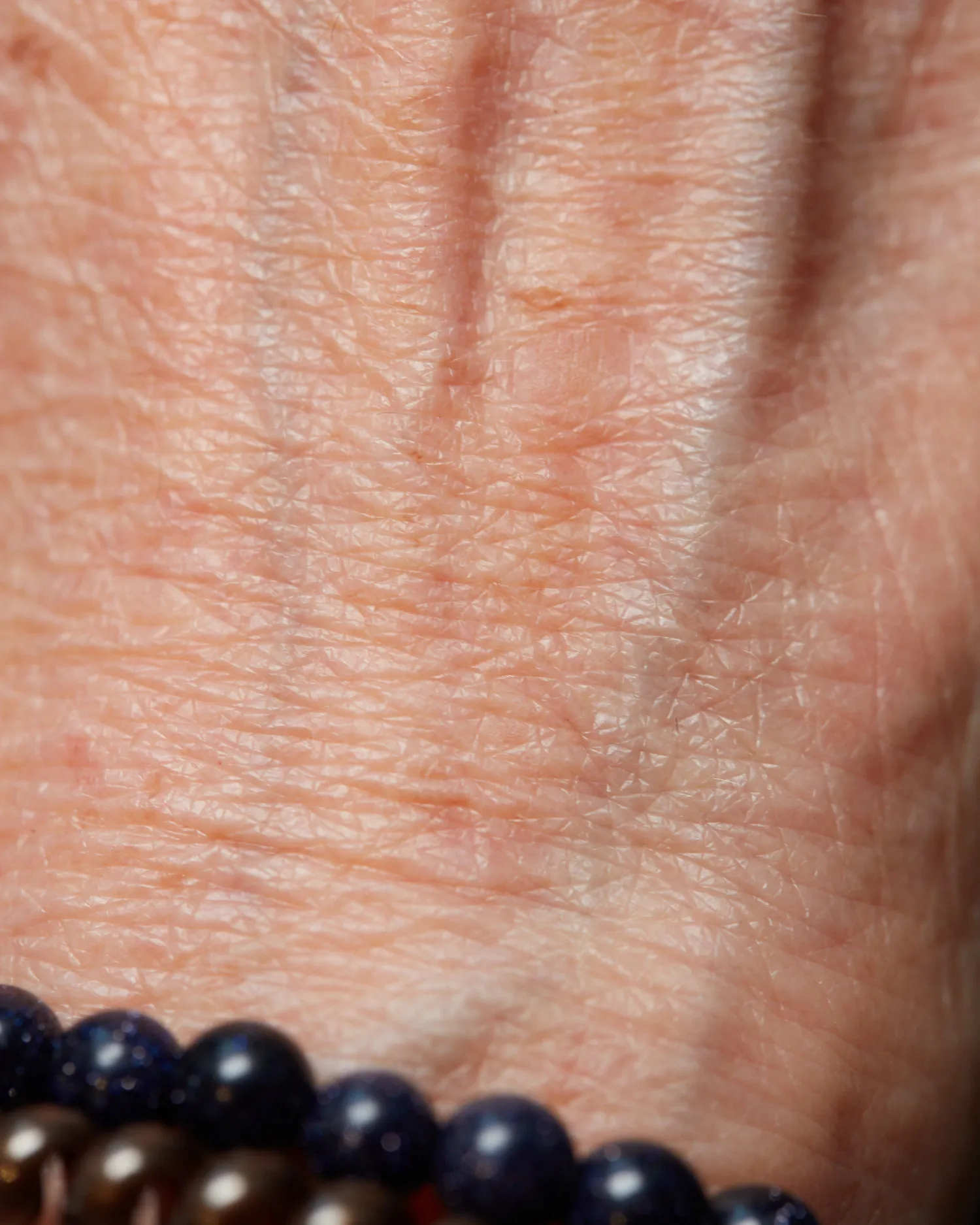
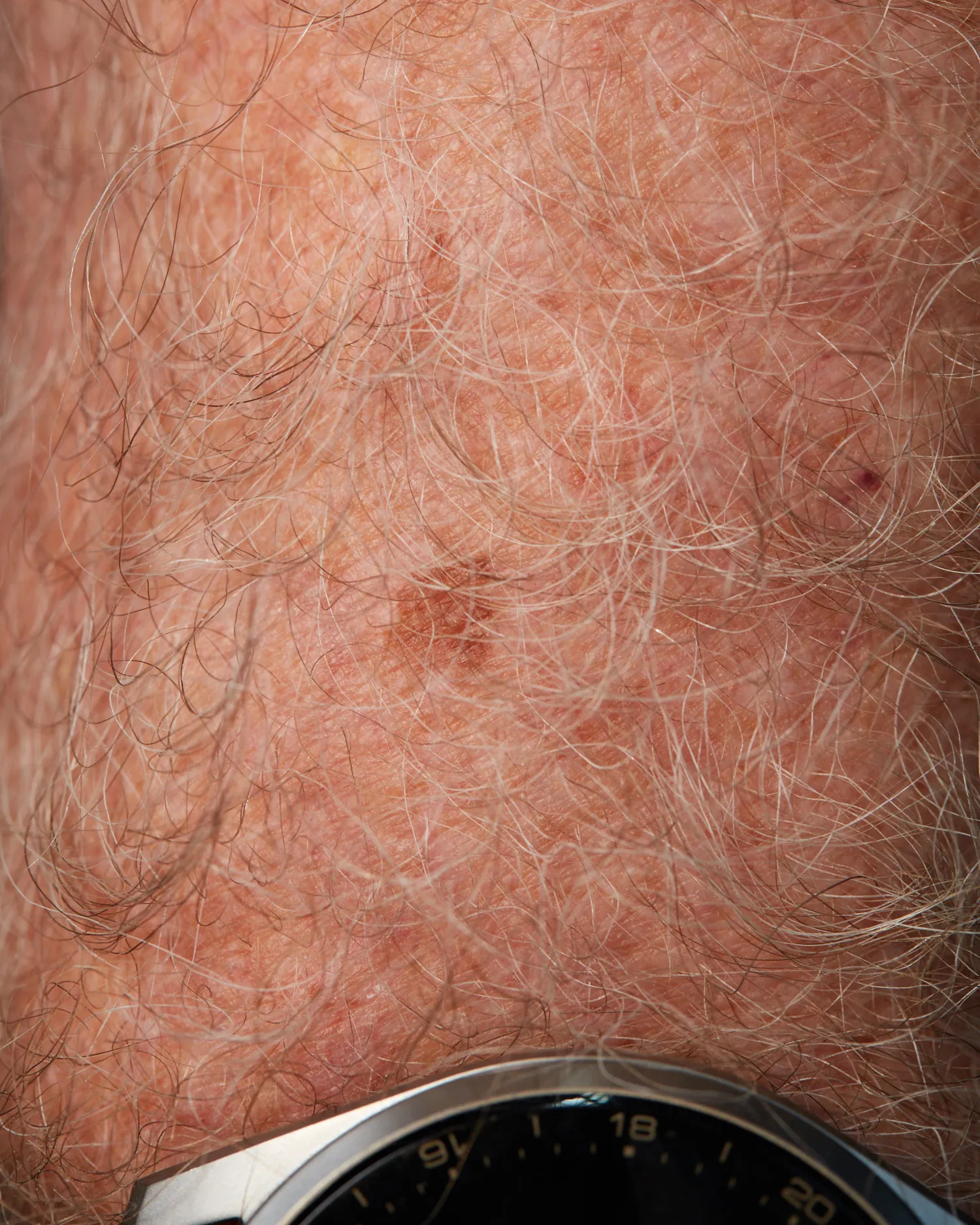
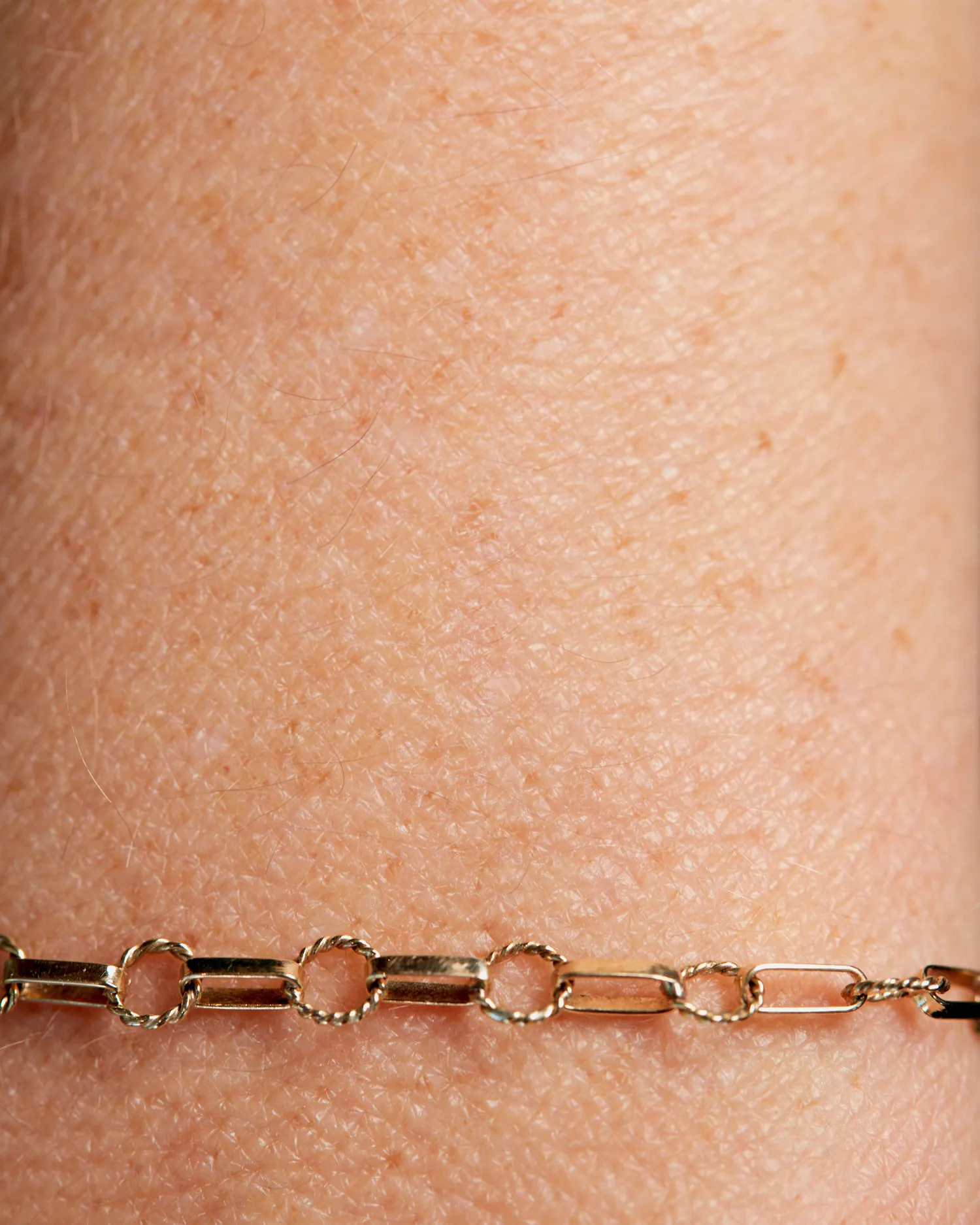
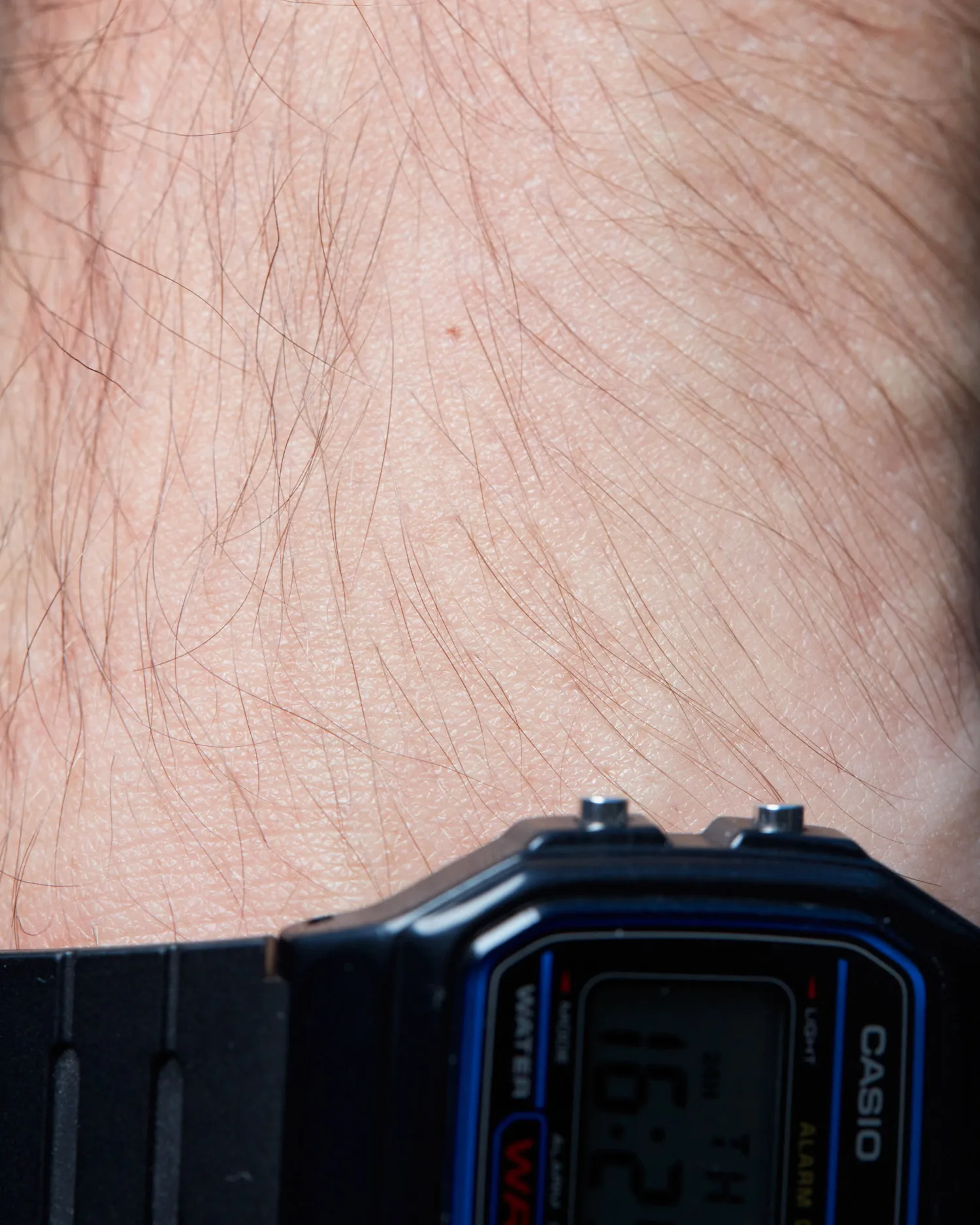
Nieuwenhuize is curious to see how people engage with his work and what emotions or ideas his photographs evoke. Essentially, he aims to encourage his audience to project their own memories and ideas onto his images.
This raises the question: How do you label an image of a human being without being influenced by your own biases?
Through his projects The Bubble (2018) and In Times of Corona (2021), Nieuwenhuize has sought to critically examine AI and its filter bubbles. With COLOUR, he aims to raise awareness of AI’s exclusionary mechanisms and inherent biases.